


What I’d Buy to Support Implantation

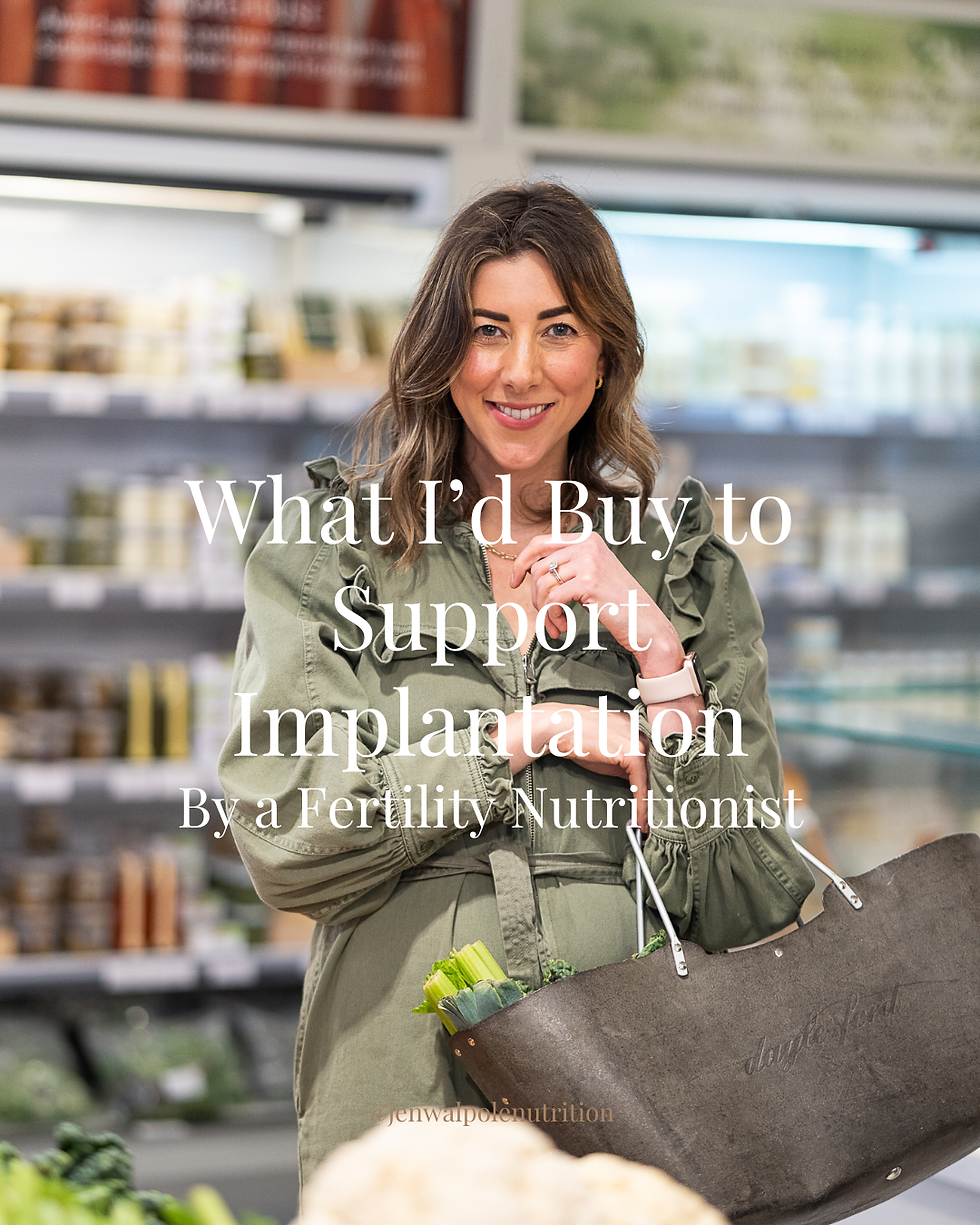
The implantation window can feel like a time when you want to do everything you possibly can to support your body. While no single food can guarantee implantation, a nutrient-dense, varied diet can help provide the nutrients needed to support the endometrium, hormone production, blood flow and early pregnancy.
Here are some of the foods and drinks I’d be adding to my basket during this time:
🍉 Beetroot juice
Beetroot is naturally rich in nitrates, which can help support nitric oxide production and healthy blood flow. Combined with ingredients such as ginger and watermelon, beetroot juice has been explored in relation to reproductive health and implantation, although larger studies are needed before we can draw firm conclusions.
🫚 Turmeric & ginger shots
Both turmeric and ginger contain compounds with antioxidant and anti-inflammatory properties. This can be particularly interesting for those managing inflammatory conditions such as endometriosis. Think of these as a convenient way to add more plant compounds into your diet rather than a fertility “fix”.
🍉 Watermelon
Watermelon provides antioxidants including lycopene, as well as the amino acid citrulline, which can contribute to nitric oxide production and healthy blood flow. It’s also an easy, hydrating addition to your diet.
🥩 Grass-fed red meat
Red meat provides highly bioavailable iron, zinc, B vitamins and protein. Iron is particularly important for oxygen transport and maintaining healthy blood stores, while adequate nutrients are important for supporting the endometrium and early pregnancy.
🍊 Citrus fruits
Oranges, grapefruit, lemons and other citrus fruits are excellent sources of vitamin C. Vitamin C supports normal progesterone production and, importantly, can enhance the absorption of non-haem iron from plant foods.
🥝 Gold kiwis
Gold kiwis are rich in vitamin C and fibre, making them a useful addition if progesterone supplementation has left you feeling a little constipated or bloated (eat with the skin on). They’re an easy way to support your gut health while adding another source of antioxidants.
🌿 Organic watercress
Dark green leafy vegetables such as watercress provide folate and other B vitamins, which are involved in methylation and cell division. Folate is particularly important before conception and during early pregnancy.
🐟 Oily fish
Think salmon, sardines, mackerel and trout. Oily fish are rich in omega-3 fatty acids, including DHA, which is important for your baby’s brain and eye development. Omega-3s also have important roles in normal inflammatory processes.
🥛 Sheep’s yoghurt
If you tolerate dairy, yoghurt can be a lovely source of protein, calcium and other nutrients. Some people find sheep’s dairy easier to tolerate, as it is considered ‘A2 dairy’ and potentially less inflammatory.
🌰 Almond butter
Almond butter provides vitamin E, healthy fats, magnesium and protein. Vitamin E is an antioxidant and has been studied in relation to endometrial health, although eating more vitamin E doesn't necessarily mean implantation will be improved.
🌰 Brazil nuts
Brazil nuts are one of the richest dietary sources of selenium. Selenium is important for normal thyroid function, antioxidant defence and reproduction. A little goes a long way, though - one or two Brazil nuts can provide plenty of selenium, so there’s no need to eat handfuls.
🍫 85% dark chocolate
And yes, you can still have chocolate! Dark chocolate with a high cocoa content provides antioxidants as well as minerals including magnesium and iron. Enjoy it as part of an overall balanced diet rather than feeling like you need to avoid treats during the two-week wait.
The bigger picture
Ultimately, implantation isn't determined by one particular food or drink. Your overall dietary pattern, nutritional status, lifestyle, reproductive health and individual circumstances all matter.
So rather than putting pressure on yourself to eat the “perfect” implantation diet, aim for variety, enough food, plenty of protein and fibre, healthy fats, colourful plants and the key nutrients your body needs.
And remember that you don't need to completely overhaul your diet during the two-week wait - the hard work has been done prior to this with your fertility prep.


Comments